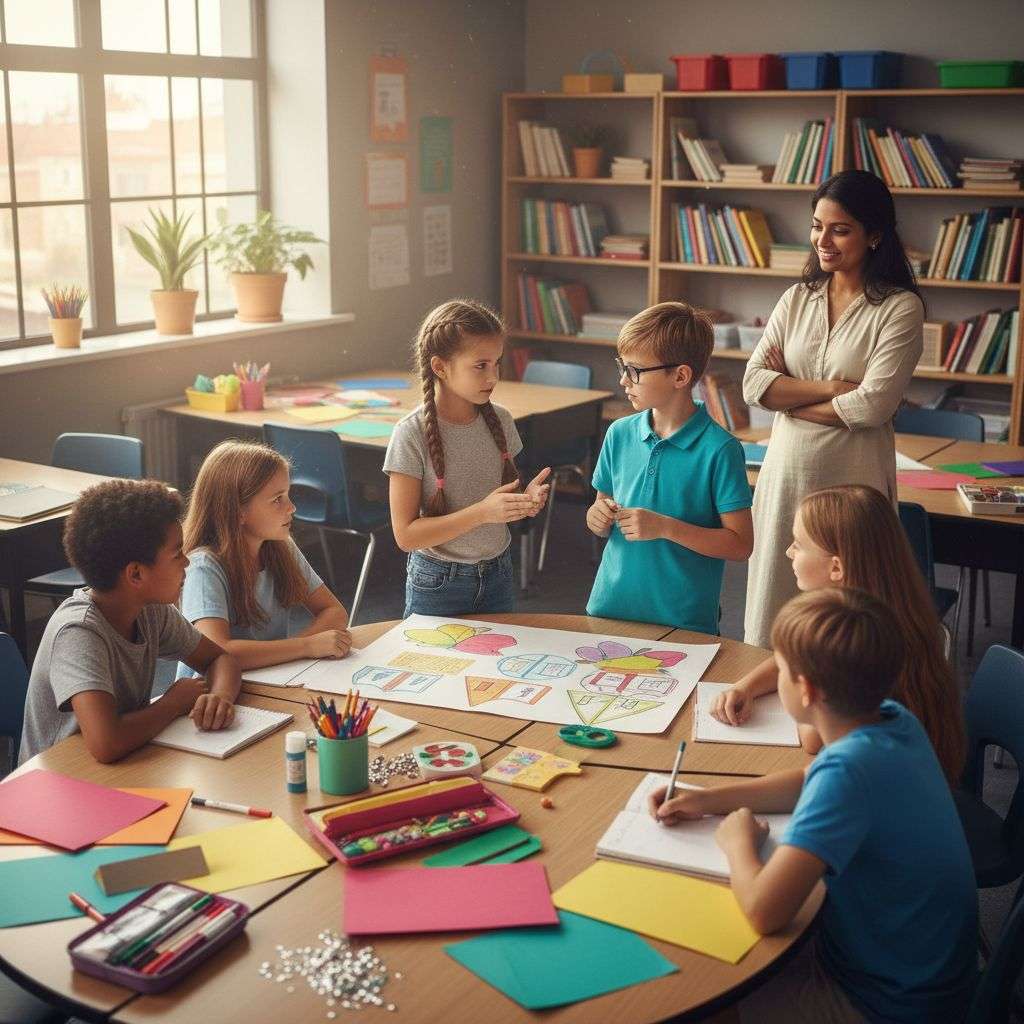
“If kids can learn to tie their shoes, they can learn to disagree respectfully.”
Introduction
Respectful Disagreement for Kids helps children speak up kindly, listen openly, and handle conflict with care, building confident, emotionally brilliant thinkers.
Quick Answer
Respectful disagreement for kids means teaching children how to voice different opinions calmly, listen actively, and show empathy during conflict. This skill fosters emotional intelligence, stronger friendships, and better classroom engagement.
Why This Matters
Conflict is natural. Whether it’s over bedtime, screen time, or a group project, kids often face situations where they disagree. Without guidance, these moments can lead to frustration or aggression. But with the right tools:
- Kids learn emotional regulation
- Friendships are strengthened through honesty
- Classroom collaboration improves
- Bullying and passive behavior are reduced
Respectful disagreement is an emotional skill that supports long-term mental wellness and success.
Key Principles
H3: Teach the Language of Respect
Kids don’t always know the words to express disagreement. Teach them phrases like:
- “I see it differently because…”
- “I understand your point, but…”
- “Can we find a middle ground?”
These respectful starters reduce defensiveness and create safe dialogue.
H3: Model the Behavior
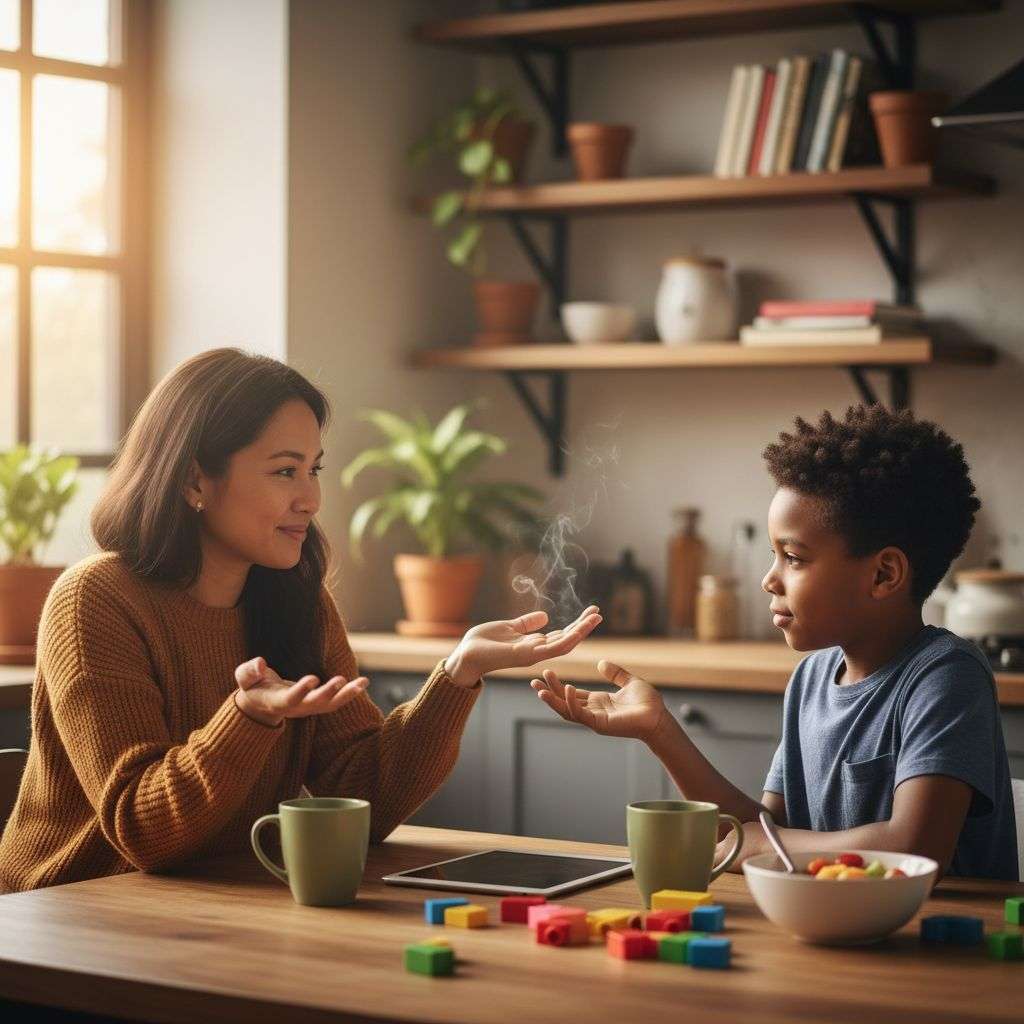
Children mimic adults. Whether you’re a parent or teacher:
- Avoid yelling or sarcasm in disagreements
- Verbally acknowledge when others disagree respectfully
- Reflect on your own tone and body language
H3: Normalize Disagreement
Make it clear: disagreeing isn’t being disrespectful. Encourage curiosity and debate in daily conversations. Ask:
- “What do you think about this?”
- “Is there another way to look at it?”
H3: Practice Empathy Building
Help kids understand that other opinions come from different experiences. Use books, role-play, or group discussions to show how perspectives vary.
Step-by-Step How-To
1. Start Early with Emotional Vocabulary
Teach kids how to label emotions: angry, frustrated, confused. Use games or storybooks to connect emotions with expressions.
2. Set Ground Rules for Discussion
Create family/classroom rules:
- Listen without interrupting
- No name-calling or mocking
- Use calm voices
Post them visually and review regularly.
3. Use Role-Play Scenarios
Act out common disagreements, like choosing a game or resolving unfair turns. Rotate roles so kids learn both sides of a disagreement.
4. Praise Efforts, Not Outcomes
Reward the behavior, not the agreement. Say:
- “You explained your thoughts so kindly.”
- “I like how you let them speak first.”
5. Debrief After Disagreements
After a real-life conflict:
- Ask what worked and what didn’t
- Reframe disrespectful phrases into respectful ones
- Celebrate when they self-correct
6. Introduce ‘Respecting NO’ Skills
Teach kids how to accept someone else’s “no” with grace. Link to the guide: Respecting NO and Personal Boundaries
Common Mistakes
- Avoiding all conflict: Shielding kids from disagreement doesn’t help them build resilience.
- Punishing disagreement: Kids should be corrected for disrespect, not for having a different opinion.
- Overcorrecting language: Let them find their voice. Guide gently without making them afraid to speak.
Quick Reference Table
| Skill | Do | Avoid |
|---|---|---|
| Emotional Vocabulary | “I feel upset…” | “You made me mad!” |
| Listening | Eye contact, nodding | Interrupting, sighing |
| Expressing Disagreement | “I see it differently.” | “That’s dumb.” |
| Responding to ‘No’ | “Okay, maybe later.” | “Why not?!” |
Key Takeaways
- Respectful disagreement for kids is teachable and essential.
- Use role-play, modeling, and empathy to build skills.
- Validate kids’ feelings while guiding respectful expression.
- Create consistent language and routines around disagreement.
- Encourage healthy pushback as part of emotional growth.
FAQ
Q: At what age should parents teach respectful disagreement for kids?
A: Start as young as 3–5 with basic emotional language. By 8–15, kids can handle more complex social cues and discussions.
Q: What if my child shuts down during a disagreement?
A: Reassure them it’s okay to feel uncomfortable. Practice with gentle, low-stakes scenarios.
Q: Is it okay for kids to say “I disagree” to adults?
A: Yes—if it’s said respectfully. It shows confidence and emotional maturity.
Q: How can I handle disrespectful disagreement?
A: Stay calm. Separate the disagreement from the disrespect. Revisit boundaries and try again.
Q: How do I teach this in a classroom with limited time?
A: Use quick circle time questions, peer mediation, or weekly social-emotional mini-lessons.
Conclusion
Teaching kids respectful disagreement is not a luxury—it’s a necessity in a world where emotional intelligence trumps memorization. The earlier we begin, the more equipped our kids will be to face challenges with empathy and courage.
Want to take this further? Check out our guide: Respecting NO and Personal Boundaries
