Inclusive manners for kids became very real to me one afternoon when my youngest grandson came home from school quieter than usual. I asked what was wrong, and after a long pause he said, “Grandpa, one of the kids laughs when I talk to Mateo because he uses a wheelchair. I didn’t know what to do.”
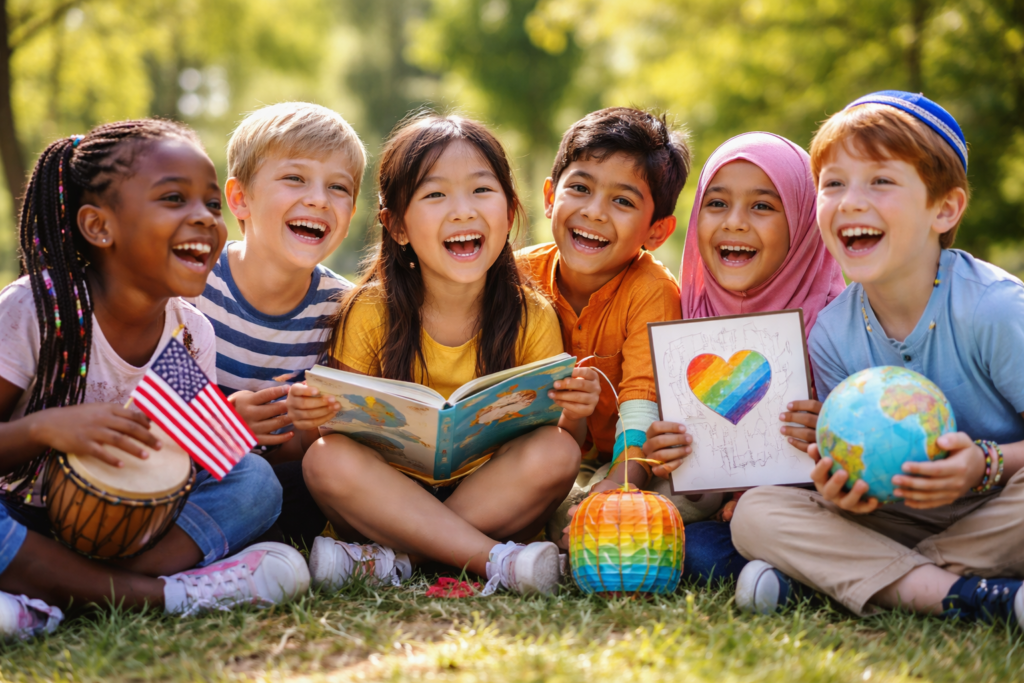
Moments like that remind us why inclusive manners for kids matter so much. Manners aren’t just about saying “please” and “thank you.” They’re about how we treat people who are different from us—how we speak, how we act, and how we protect the dignity of others when it really counts.
In 2026, our children live in classrooms, playgrounds, churches, and online spaces that are beautifully diverse. Teaching them kindness is no longer optional. It’s essential.
“True manners are how you treat people who can’t give you anything in return.”
Why Inclusive Manners for Kids Matter More Than Ever
We can’t always control what our children will encounter in the world, but we can shape how they respond. Inclusive manners for kids help children learn to see people as people first, not labels, not differences, not stereotypes.
When a child is taught inclusive manners, they grow up knowing that:
- Everyone deserves respect
- Differences are not weaknesses
- Kindness is a form of courage
And perhaps most importantly, they learn that how they treat others becomes part of who they are.
What Inclusive Manners for Kids Really Look Like
Inclusive manners go beyond surface politeness. They show up in tone, patience, and willingness to understand.
Children who practice inclusive manners for kids:
- Speak kindly to classmates who look, sound, or move differently
- Include others in games and conversations
- Avoid teasing, mocking, or excluding
- Step in when someone is being treated unfairly
This doesn’t come naturally to every child. It must be taught, modeled, and gently reinforced.
H3: How Inclusive Manners for Kids Begin at Home
Home is the first classroom for empathy.
Children watch how parents speak about neighbors, strangers, people in the news, and even family members. If they hear sarcasm or criticism about others, they absorb it. If they hear respect and compassion, they absorb that too.
A simple family habit makes a big difference:
- Speak about people with dignity
- Correct unkind talk gently but firmly
- Celebrate differences instead of avoiding them
You don’t need long lectures. You need steady examples.
“Little ears are always listening. Little hearts are always learning.”
H3: Teaching Inclusive Manners for Kids Through Everyday Moments
You don’t have to wait for a big incident to teach inclusion. Small moments are powerful.
When a child asks why someone talks differently, walks differently, or looks different, don’t hush them. Teach them.
Say something like:
“Everyone is made differently, and every person matters.”
These short, loving explanations build a child’s emotional muscles.
H3: Inclusive Manners for Kids and the Power of Language
Words can either open doors or build walls.
Children should be taught that joking about someone’s body, culture, accent, or ability is not harmless. It wounds.
Here is a simple truth they can understand:
“If it makes someone feel small, it isn’t funny.”
Table 1: Words That Build vs. Words That Hurt
| Hurtful Language | Kind, Inclusive Alternative |
|---|---|
| “That’s weird.” | “That’s different.” |
| “He’s slow.” | “He learns in his own way.” |
| “She can’t do that.” | “She does things differently.” |
| “That’s not normal.” | “Everyone is unique.” |
These gentle replacements teach children how to think and speak with respect.
H3: Inclusive Manners for Kids in School and Social Groups
School is where children test their values.
Encourage your child to:
- Sit with someone who is alone
- Invite different classmates to play
- Speak up when someone is teased
That takes courage. Let your child know you are proud when they choose kindness, even when it feels uncomfortable.
“Standing up for others is one of the highest forms of manners.”
H3: Inclusive Manners for Kids and Disabilities
Children don’t need to fear disabilities. They need understanding.
Explain it simply:
Some people see, hear, move, or think differently—but they still want friends, fun, and respect.
Teach your child:
- Don’t stare
- Don’t whisper
- Ask politely if help is needed
- Treat everyone like a friend
Table 2: Teaching Children How to Respond Kindly
| Situation | Kind, Inclusive Response |
|---|---|
| A classmate uses a wheelchair | Talk and play as you would with any friend |
| Someone speaks differently | Listen patiently |
| A child needs extra time | Wait kindly |
| A classmate struggles | Offer help, don’t laugh |
H3: Inclusive Manners for Kids and Cultural Differences
Some families pray differently. Some eat different foods. Some dress differently.
Teach children:
Different does not mean wrong. It means interesting.
Let them ask questions. Curiosity builds respect when guided with love.
H3: Inclusive Manners for Kids in Online Spaces
Online behavior reveals character.
Children should learn that teasing, excluding, or mocking online hurts just as much as in person.
Teach them:
- No cruel comments
- No exclusion from group chats
- No sharing embarrassing images
Screens do not erase responsibility.
Key Takeaways
- Inclusive manners for kids teach children how to treat others with dignity
- Respect is learned through modeling and repetition
- Words can heal or hurt
- Inclusion builds strong, confident children
- Kindness is a form of leadership
FAQ
What age should I start teaching inclusive manners for kids?
As soon as your child begins interacting with others. Even toddlers can learn kindness and gentle behavior.
What if my child says something hurtful?
Correct calmly. Explain why it hurts. Practice better words.
How do I teach empathy?
Ask, “How would you feel if that happened to you?”
What if my child is shy around differences?
That’s normal. Encourage gentle curiosity and kindness.
Can schools do this alone?
No. Families play the biggest role.
Conclusion
Teaching inclusive manners for kids is one of the greatest gifts we can give the next generation. When children learn to see others with compassion, they grow into adults who build bridges instead of walls.
Kindness doesn’t just change the moment. It changes the future.
And in a world that desperately needs more understanding, teaching a child to be respectful, empathetic, and inclusive might be the most powerful thing we ever do.
