A new year feels like a fresh notebook—blank pages and crisp possibilities. If you want to reset the tone at home, this is the perfect season to focus on manners habits for kids that build respect, kindness, and smoother daily routines. Instead of big resolutions that fade by mid-January, choose one small habit your family can practice consistently.
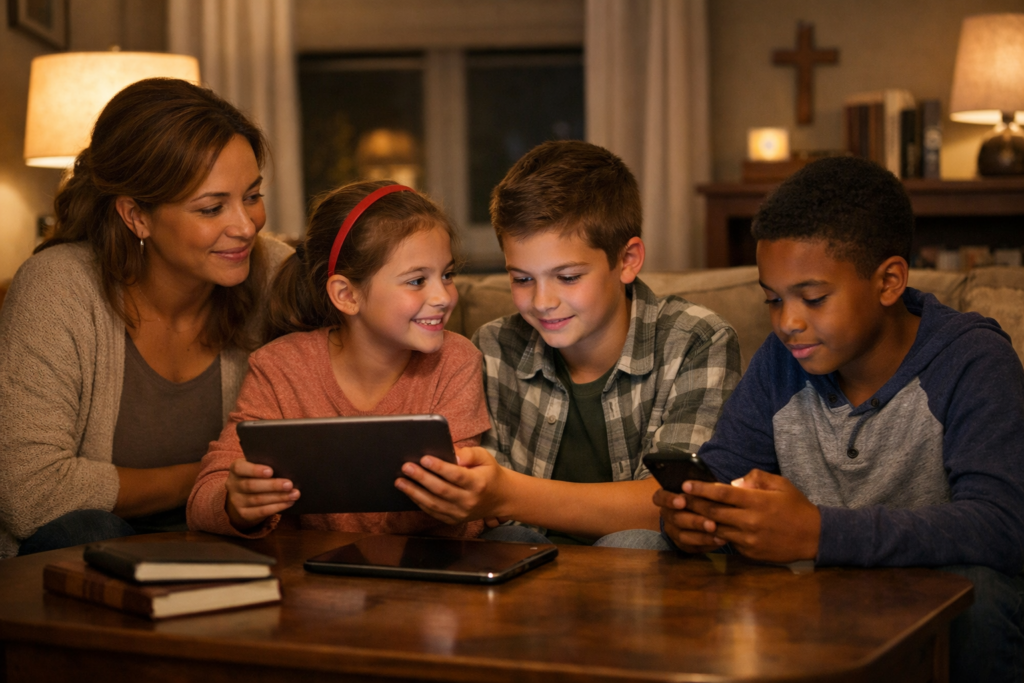
The goal isn’t perfection. The goal is progress—one polite choice at a time—until courtesy becomes part of your home culture.
Let Kids Help Choose the Manners Goal
One of the most effective ways to teach manners is to involve children in the process. At the start of the year, host a short family chat about what “good manners” look like in your home. Then ask each child to pick one habit they want to practice this week.
For example, a younger child may want to remember “please” when asking for a snack. An older child might choose to work on making eye contact and greeting adults respectfully. When kids help select the goal, they feel ownership—and ownership makes follow-through much more likely.
Model the Habit (Because Kids Watch More Than They Listen)
Children learn manners not only from reminders, but from what they see adults do every day. If you want manners to stick, practice right alongside them. Share one habit you’re working on, too, such as listening without interrupting or greeting neighbors warmly on walks.
This shared effort teaches a powerful lesson: manners aren’t just for kids. They’re lifelong skills. In my own family, my granddaughter still reminds me to say “thank you” to the grocery bagger if I slip up. That kind of gentle accountability keeps me humble—and it often makes us both smile.
Make Progress Visible With a Simple Manners Tracker
Tracking progress turns “manners practice” into something concrete and motivating. In our home, we used a jar and dried beans. When someone forgot manners—saying “give me” instead of “please,” for example—we added a bean. When someone remembered on their own, we removed one. The goal was an empty jar by Sunday evening, and if we made it, we celebrated with a family dance party.
If beans aren’t your style, try one of these simple visual tools:
- A sticker chart for each child’s manners and habits
- A paper chain that shortens as behavior improves
- A “manners scoreboard” on the fridge with checkmarks for daily wins
A visual tracker reduces nagging because it becomes a reminder that the whole family can see.
Explain the “Why” Behind Manners
Kids are much more willing to practice manners when they understand why manners matter. Without the “why,” courtesy can feel like a set of random rules. With the “why,” it becomes a life skill that helps them succeed socially, emotionally, and even professionally later on.
Tell real stories from your life. Share how a respectful greeting helped you make a good impression, or how saying “please” and “thank you” brightened someone’s difficult day. When kids see that manners help people feel valued, manners habits for kids stop feeling like chores and start feeling like tools for making the world kinder.
Three Action Steps to Try This Week
If you want a simple plan that works, try these steps for the next seven days.
- Hold a short family meeting and have each person choose one manners goal
- Do a quick evening check-in (just a few minutes) to share wins and struggles
- Celebrate progress with a small reward (a board game night, pancakes, extra story time—keep it simple)
The new year isn’t about being flawless. It’s about moving closer to the family culture you want—one respectful habit at a time.
Keep Building Your Family’s Manners Culture
When you choose one small habit, model it yourself, track progress in a fun way, and celebrate effort, you build something bigger than a weekly goal. You build a foundation of respect and kindness that can serve your children for a lifetime.
And if you’d like more practical ideas and old-school wisdom, Pre-order my upcoming book, Teaching Kids Good Manners, the Old-School Way. It’s filled with stories and strategies designed to help families thrive.
Call-to-Action
What manners and habits for kids will your family choose this week? Share your goal in the comments or on our social channels—we’d love to cheer you on.
