Have you ever found yourself searching for the right words to explain one of life’s most essential values to your child? It’s a common challenge: translating a concept as profound as consideration into simple, actionable terms. This difficulty often leaves parents wondering how to truly answer the question, what is respect, in a way a young mind can grasp. When the meaning remains abstract, it can lead to frustration for both of you and to moments when a child’s behavior is unintentionally misunderstood.
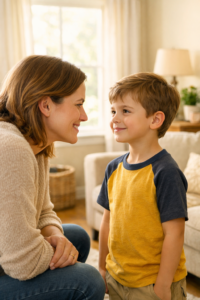
But respect is far more than an abstract rule; it is the cornerstone of confidence, the foundation of kindness, and the art of gracious living. It is about showing others they are seen and valued. In this guide, we will unlock the true meaning of respect and provide you with the simple language and practical examples needed to cultivate this essential value in your child. Together, we will empower them with the poise and assurance to navigate their world with kindness, fostering a more harmonious and considerate family life.
Key Takeaways
- Move beyond “please” and “thank you” to understand what is respect at its core: treating others with genuine care and consideration.
- Uncover the two pillars of a respectful life, beginning with the art of cultivating self-respect as the foundation for showing genuine respect to others.
- Identify the clear signs of respectful behavior, transforming abstract concepts into tangible actions your child can see, hear, and practice daily.
- Gain gentle, effective strategies to open a powerful and positive dialogue about respect that will resonate with your child.
Defining Respect: More Than Just Saying ‘Please’ and ‘Thank You’
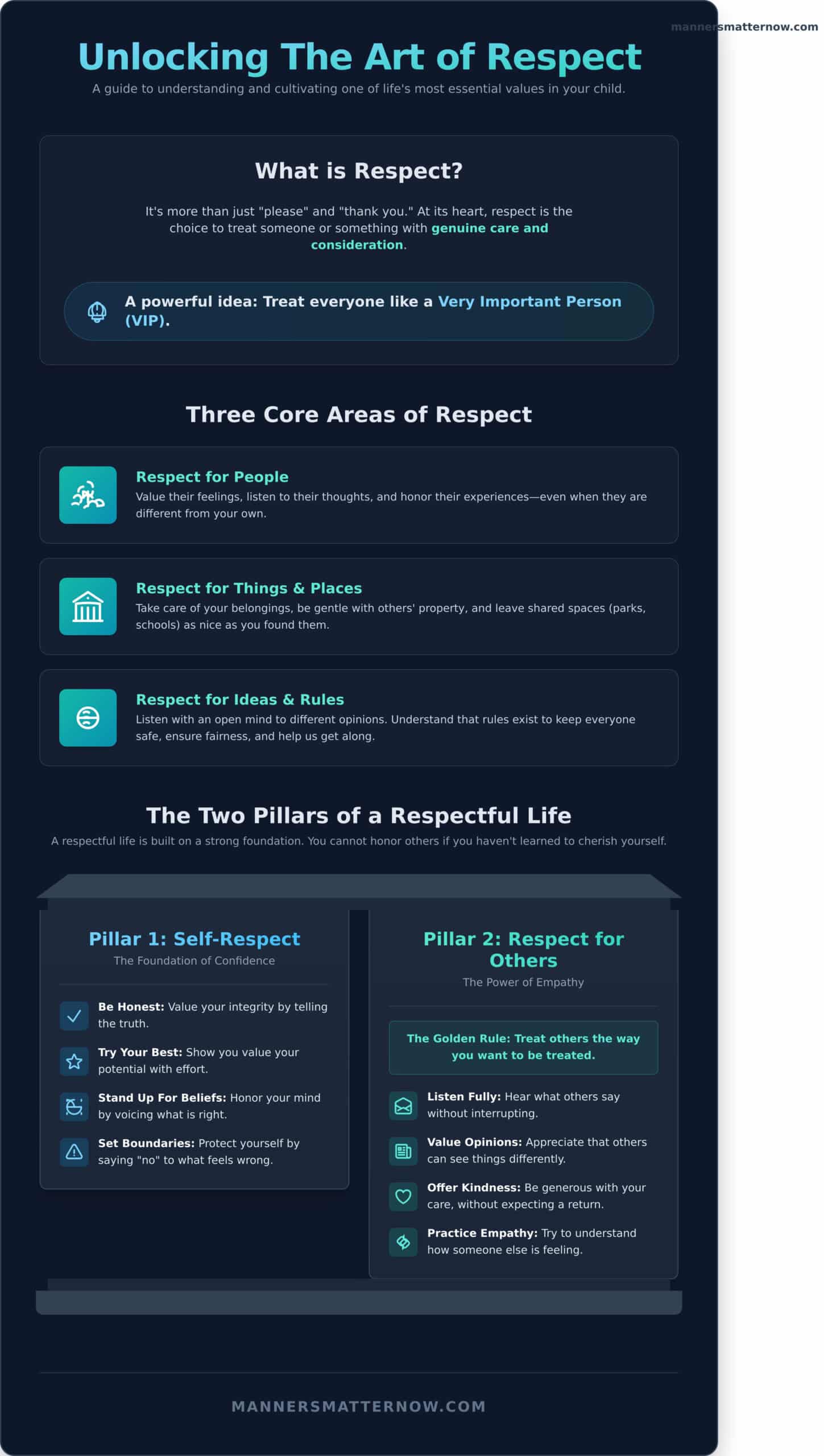
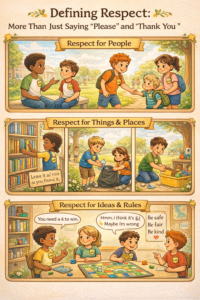
Have you ever wondered what respect truly means? While using polite words like ‘please’ and ‘thank you’ is a wonderful start, the true meaning of respect is much deeper and more powerful. At its heart, respect is the choice to treat someone or something with genuine care and consideration. It’s a feeling of value you hold on the inside that shines through in your thoughtful actions on the outside.
A simple way to think about it is to treat people as if they are Very Important People (VIPs), because every person has value. While great thinkers have explored the deeper questions of What is Respect? for centuries, for us it begins with this simple, powerful idea. This is why respect is different from just obedience; it’s not simply about doing what you are told, but about understanding why it is important to be kind, careful, and considerate.
Respect for People
The most important kind of respect is for other people. This means you truly value their feelings, listen to their thoughts, and honor their experiences, even when they are different from your own. This gracious attitude applies to everyone: your parents and teachers, your best friends, and even people you don’t know. It’s about seeing the good and unique value in every single person and treating them with the dignity they deserve.
Respect for Things and Places
Cultivating respect extends to the world around us. This means taking excellent care of your own belongings and being gentle with property that belongs to others. It also includes our shared spaces, like public parks, school classrooms, and libraries. A beautiful rule to live by is to always try and leave a place just as nice as you found it. This simple act is a powerful sign of respect for your community.
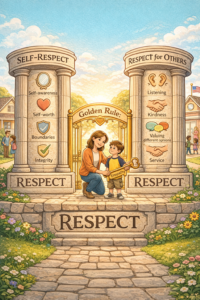
Respect for Ideas and Rules
Finally, showing respect involves how we handle ideas and rules. It means listening with an open mind to different opinions, even if you disagree. It also means understanding that rules exist to help everyone. Whether at home, in a game, or at school, rules are a form of group respect. They are not there to limit you, but to keep everyone safe, ensure fairness, and help us all get along with grace and ease.
How to Begin the Conversation About Respect with Your Child
Guiding your child to understand the nuances of respect is one of the most profound gifts you can offer. This isn’t about a single, stern lecture but about cultivating an ongoing dialogue built on trust and mutual understanding. Approaching the conversation about what is respect with grace and intention transforms it from a lesson to be learned into a value to be lived. Remember, this is a journey you embark on together, one that builds the foundation for a lifetime of strong, healthy relationships.
Choose the Right Moment
Timing is paramount. Seek moments of calm and connection-during a quiet drive, while preparing a meal together, or after sharing a story. Avoid initiating this important talk in the heat of frustration. You can also use characters in books or shows as a gentle entry point, turning observation into a meaningful discussion about their actions and impact.
Cultivate Empathy with Open-Ended Questions
Empower your child to develop empathy by asking rather than telling. Instead of dictating rules, foster curiosity with gentle, open-ended questions that encourage reflection. This Socratic approach invites them to explore another’s perspective, helping them truly grasp the core of what respect is.
- ‘I wonder how that made them feel?’
- ‘What do you think is a respectful way to handle that next time?’
Model the Behavior You Want to See
Your child’s most influential teacher is you. They learn about respect not from what you say, but from what you do. Demonstrate gracious communication with your partner, show courtesy to service professionals, and most importantly, offer respect to your child by truly listening to their thoughts and feelings. Embodying respect is the most powerful lesson of all.
Teaching respect is a continuous, beautiful process of nurturing your child’s character. By making it a positive and consistent part of your family culture, you empower them with the poise and confidence to navigate the world with grace. For more strategies on fostering an environment of elegance and mutual consideration, we invite you to explore our programs.
Cultivating a Legacy of Respect
Understanding what respect is is the first step on a respectful path to achieving genuine consideration for others. By embracing respect as a daily practice, you are not just teaching manners; you are empowering your child with the confidence and empathy to navigate the world with grace and poise.
Ready to elevate these essential conversations into tangible skills? Discover our ready-to-use toolkits to cultivate respect and kindness in your child. Designed by educators for children aged 6-14, our fun, printable activities make learning engaging and effective. You can feel confident knowing you are using resources trusted by parents and teachers to build confident, considerate kids who are prepared for a successful future.
Invest in these foundational lessons today, and you will be giving your child the gift of a lifetime: a presence that commands respect and a heart that knows how to give it freely.
Frequently Asked Questions About Respect
What is the difference between respect and fear?
Respect is a positive admiration for someone’s character, wisdom, or abilities, inspiring us to treat them with consideration. It is a choice rooted in value. Fear, conversely, is a negative emotion driven by intimidation or the threat of consequence. We empower children by teaching them that genuine respect is about graciously acknowledging the worth of others, not about being coerced into obedience. This distinction is vital for cultivating healthy, authentic relationships.
How can you teach a child to respect someone they disagree with?
Cultivate the art of gracious disagreement. Encourage your child to listen actively without interruption, which is a cornerstone of civility and poise. Model how to separate the person from their opinion, using phrases like, “I understand your point, but I see it differently.” This teaches them that they can value an individual and their right to a belief, even if they do not share it. It is a sophisticated skill that builds emotional maturity.
What should I do if my child is disrespectful?
Address the behavior with calm and confident authority. First, connect with your child to understand the feeling behind their action, then clearly restate the boundary: “In our family, we speak with kindness.” Provide an opportunity for them to rephrase their words. This transforms a moment of friction into a valuable lesson in self-regulation and polished communication, reinforcing the family’s standards of conduct with grace rather than punishment.
Is it disrespectful for a child to question the rules?
Not necessarily. A child’s questions often stem from a developing mind seeking to understand the world. The crucial distinction lies in their delivery. A demanding, “Why do I have to?” is quite different from a curious, “Can you help me understand the reason for this rule?” Guiding them toward the art of respectful inquiry nurtures their critical thinking skills while reinforcing the importance of a gracious and considerate tone.
How does self-respect help a child build healthy friendships?
Self-respect is the foundation of a confident and poised personal presence. When children value themselves, they are less likely to seek validation from unhealthy peer groups. This inner confidence empowers them to set boundaries graciously and attract friends who treat them with mutual consideration. They learn to build connections based on shared kindness and admiration, not on social pressure, which is the essence of true and lasting friendship.
At what age should I start teaching my child about respect?
The journey of teaching respect begins in infancy. You lay the groundwork from the very beginning by modeling a soothing tone, gentle touch, and attentive care. Simple courtesies like “please” and “thank you” can be introduced as soon as a child begins to communicate. The principles of respect are woven into daily interactions long before a child can articulate the concept, ensuring it becomes a natural part of their elegant character.
